Die VICE Story - Gosse. Gonzo. Größenwahn.
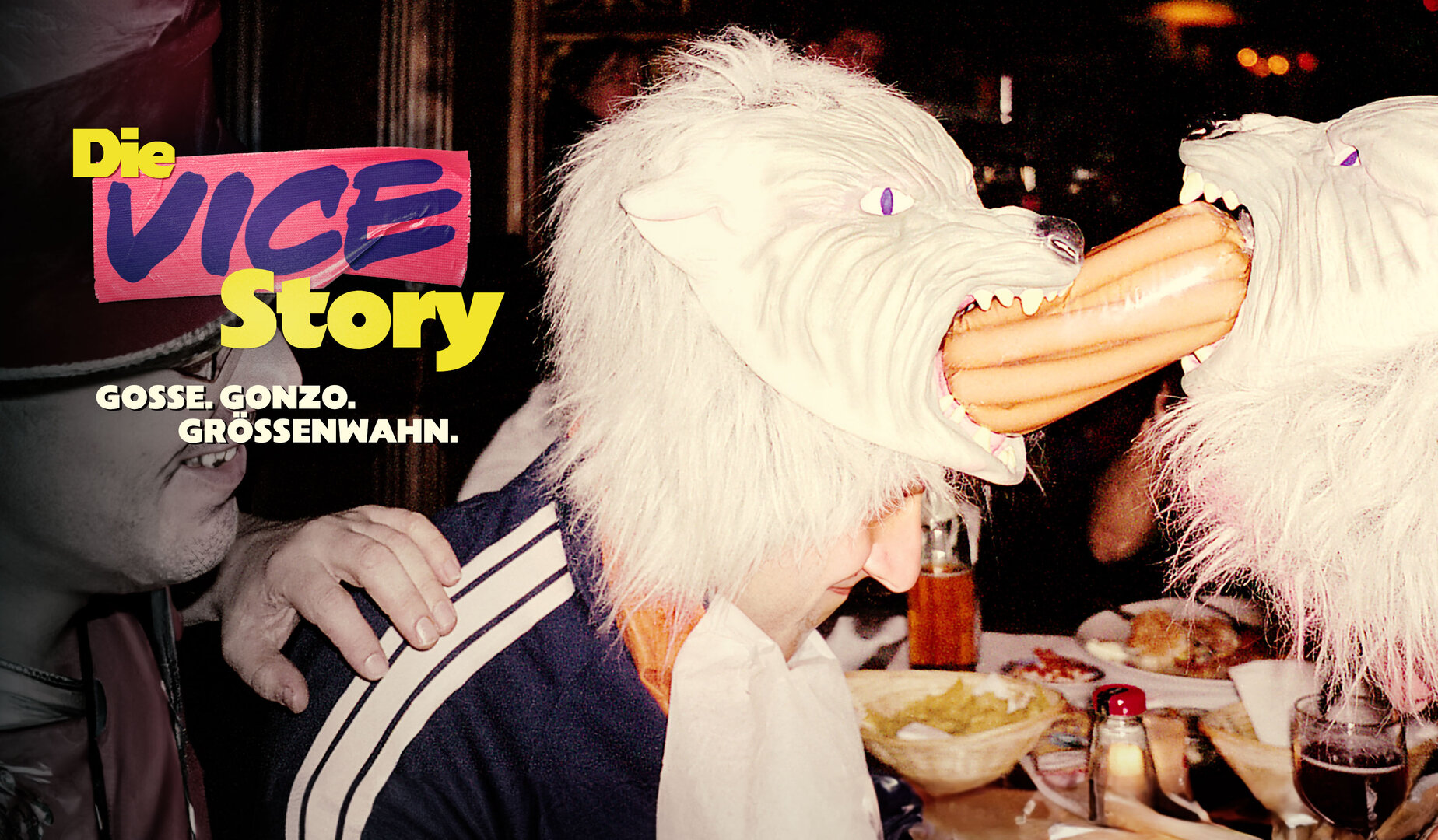
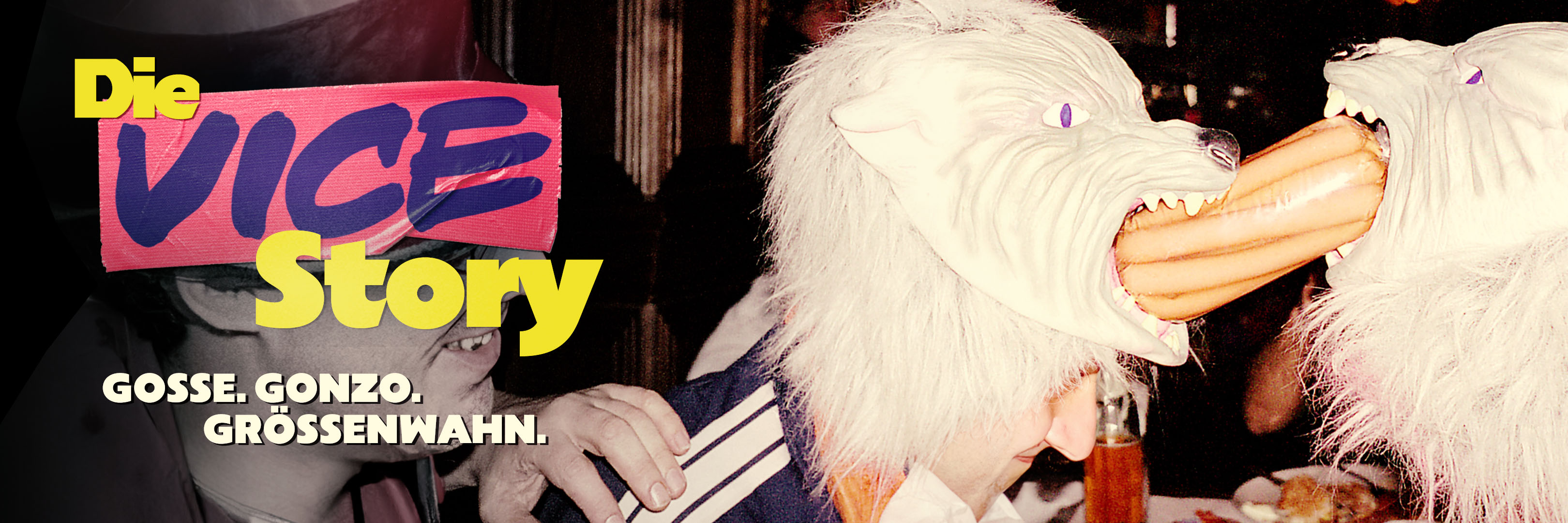
Für die ARD-Dokumentarfilmreihe „Die VICE-Story – Gosse. Gonzo. Größenwahn.“ hat Studio Fritz Gnad die Key-Visuals, die Titelgestaltung, Animationen, Grafiken sowie weitere Design- und Verpackungselemente entwickelt. Die dreiteilige Serie beleuchtet den schillernden Aufstieg, den atemberaubenden Erfolg und den schließlich unausweichlichen Absturz des Popkultur- und Medienphänomens VICE.
Die Dokumentation zeichnet das Bild eines Magazins, das 1994 in Montreal als „Hirngespinst dreier Arbeitsloser“ begann und um die Jahrtausendwende zu einem weltweiten Medienimperium heranwuchs. VICE kam, sah und sprengte – „journalistische Gepflogenheiten, moralische Grenzen, alles bisher Gesehene“. Der Name selbst war Programm, denn wie die Zeit bemerkte, „Vice“ heißt so viel wie Laster oder Moralverfehlung. Mit einem ungeschönten Gonzo-Journalismus, der fast immer um Drogen, Kriminalität, Sex, Style und das Abseitige kreiste, nahmen die Reporter ihre Zuschauer und Leser auf gefährliche Reisen mit, besuchten Diktatoren oder flüchteten mit Mordverdächtigen. Thilo Mischke, ein ehemaliger deutscher VICE-Journalist, erinnert sich in der Doku, wie „Jede Seite noch krasser“ war, als er die Magazine zum ersten Mal in den Händen hielt.
Doch der überlaut zelebrierte Hedonismus und die scheinbar grenzenlose Freiheit bei VICE bargen auch ihre Fallstricke und unerwarteten Wendungen. Der Lebensstil in der Redaktion stand den kruden Storys in nichts nach: Stress, Star-Allüren, Druck und Drogen gehörten zum Alltag. Paradoxerweise mussten Mitarbeiter wie Thilo Mischke ihren Job bei VICE durch andere Tätigkeiten finanzieren, da das Gehalt oft kaum zum Leben reichte: „Man hat so schlecht bei der Vice verdient, dass ich für andere arbeiten musste, damit ich mir leisten kann, für die Vice zu arbeiten.“. Selbst Mitbegründer Gavin McInnes, der sich einst als „Hipster“ im Gründertrio beschrieb, verließ VICE und gründete später die rechtsextreme Männergruppe „Proud Boys“, was einen unerwarteten und verstörenden Bruch in der Geschichte darstellt. Der DWDL beschrieb die Dokumentation treffend als „eine Doku, so rasant und rough wie Vice einst selbst“, die diese Widersprüche und den rasanten Fall des Konzerns beleuchtet, welcher 2024 mit einer Insolvenz endete.
Die dreiteilige ARD-Dokumentation in der ARD-Mediathek gewährt tiefe Einblicke in das Innenleben dieser umstrittenen Medienmarke, die zweifellos den Journalismus weltweit verändert hat, sei es zum Guten oder manchmal eben auch zum Schlechten. Sie schildert, wie interne Machtstrukturen, individuelle Hybris und eine sich wandelnde Medienlandschaft dem einst visionären Projekt schließlich den Stecker zogen.
For the ARD documentary series “The VICE Story – Grit. Gonzo. Grandiosity.”, Studio Fritz Gnad developed the key visuals, title design, animations, graphics, as well as other design and packaging elements. The three-part series sheds light on the dazzling rise, breathtaking success, and inevitable downfall of the pop culture and media phenomenon VICE.
The documentary paints the picture of a magazine that began in 1994 in Montreal as the “pipe dream of three unemployed guys” and around the turn of the millennium grew into a global media empire. VICE came, saw, and shattered – “journalistic conventions, moral boundaries, everything seen before.” The name itself was the message, as Die Zeit noted, “Vice means something like vice or moral failing.” With its raw gonzo journalism, circling almost always around drugs, crime, sex, style, and the margins of society, its reporters took viewers and readers on dangerous journeys, visiting dictators or fleeing with murder suspects. Thilo Mischke, a former German VICE journalist, recalls in the doc how “Every page was even crazier” when he first held the magazines in his hands.
But the loudly celebrated hedonism and the seemingly limitless freedom at VICE also came with pitfalls and unexpected twists. The lifestyle inside the newsroom was just as extreme as the stories: stress, star attitudes, pressure, and drugs were part of everyday life. Paradoxically, employees like Thilo Mischke had to finance their jobs at VICE through other work, since the salary often barely covered living expenses: “You earned so badly at Vice that I had to work elsewhere to afford to work for Vice.” Even co-founder Gavin McInnes, once describing himself as the “hipster” of the founding trio, left VICE and later founded the far-right men’s group “Proud Boys,” an unexpected and disturbing turn in the story. DWDL aptly described the documentary as “a doc as fast-paced and rough as Vice itself once was”, highlighting the contradictions and the rapid downfall of the company, which ended in bankruptcy in 2024.
The three-part ARD documentary on ARD Mediathek offers deep insights into the inner workings of this controversial media brand, which undoubtedly changed journalism worldwide – for better or, at times, for worse. It illustrates how internal power structures, individual hubris, and a changing media landscape ultimately pulled the plug on what was once a visionary project.
Para la serie documental de la ARD “La historia de VICE – Sórdido. Gonzo. Desmesura.”, Studio Fritz Gnad desarrolló los key visuals, el diseño de títulos, animaciones, gráficos, así como otros elementos de diseño y empaquetado. La serie de tres partes ilumina el deslumbrante ascenso, el éxito vertiginoso y la inevitable caída del fenómeno mediático y cultural VICE.
El documental traza la imagen de una revista que comenzó en 1994 en Montreal como “el delirio de tres desempleados” y que alrededor del cambio de milenio se convirtió en un imperio mediático global. VICE llegó, vio y rompió – “convenciones periodísticas, límites morales, todo lo visto hasta entonces”. El propio nombre era ya un manifiesto, pues como señaló Die Zeit, “Vice significa algo así como vicio o falta moral.” Con un periodismo gonzo crudo, que casi siempre giraba en torno a drogas, crimen, sexo, estilo y lo marginal, sus reporteros llevaron a los espectadores y lectores a viajes peligrosos, visitaron dictadores o huyeron junto a sospechosos de asesinato. Thilo Mischke, un ex periodista alemán de VICE, recuerda en el documental cómo “Cada página era aún más extrema” cuando tuvo por primera vez las revistas en sus manos.
Pero el hedonismo ensordecedor y la aparente libertad ilimitada en VICE también escondían trampas y giros inesperados. El estilo de vida dentro de la redacción no se diferenciaba en nada de las historias: estrés, actitudes de estrella, presión y drogas formaban parte de lo cotidiano. Paradójicamente, empleados como Thilo Mischke tuvieron que financiar su trabajo en VICE con otros empleos, ya que el salario apenas alcanzaba para vivir: “Se ganaba tan mal en Vice que tenía que trabajar en otro lado para poder permitirme trabajar en Vice.” Incluso el cofundador Gavin McInnes, que se describía a sí mismo como el “hipster” del trío fundador, abandonó VICE y más tarde fundó el grupo masculino de extrema derecha “Proud Boys”, lo que supuso un giro inesperado y perturbador en la historia. DWDL describió acertadamente el documental como “un docu tan vertiginoso y áspero como lo fue Vice en su día”, que resalta estas contradicciones y la rápida caída de la empresa, que terminó en bancarrota en 2024.
La serie documental de tres partes en la Mediateca de la ARD ofrece una mirada profunda al funcionamiento interno de esta polémica marca mediática, que sin duda cambió el periodismo en todo el mundo, ya sea para bien o, en ocasiones, para mal. Muestra cómo las estructuras internas de poder, la hybris individual y un panorama mediático en transformación acabaron desconectando lo que alguna vez fue un proyecto visionario.